Latest Articles

- Details
- Projects Archive
Russia’s Political Prisoners
- Details
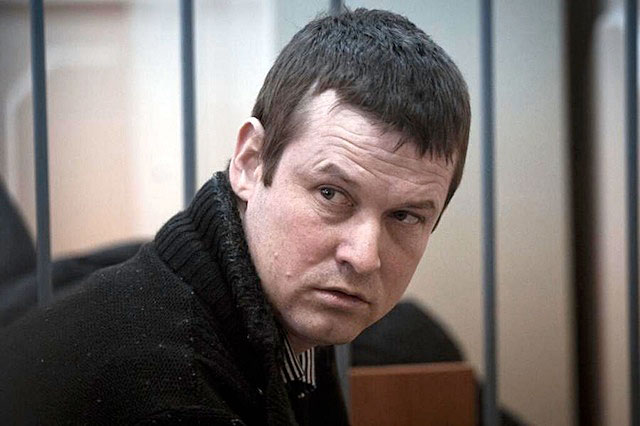
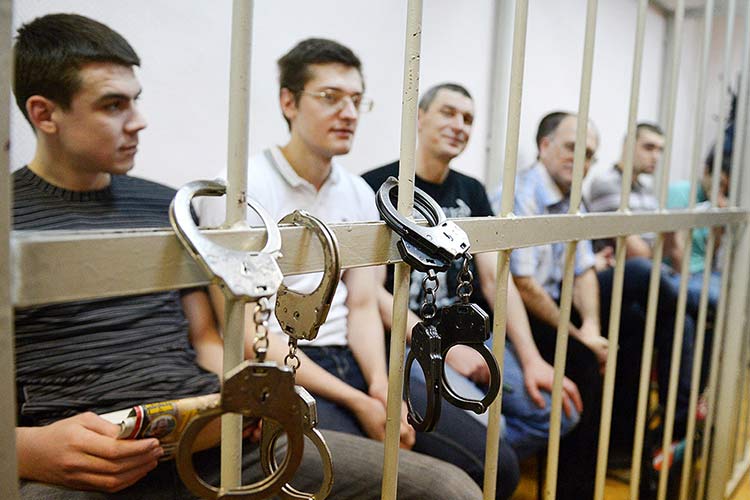
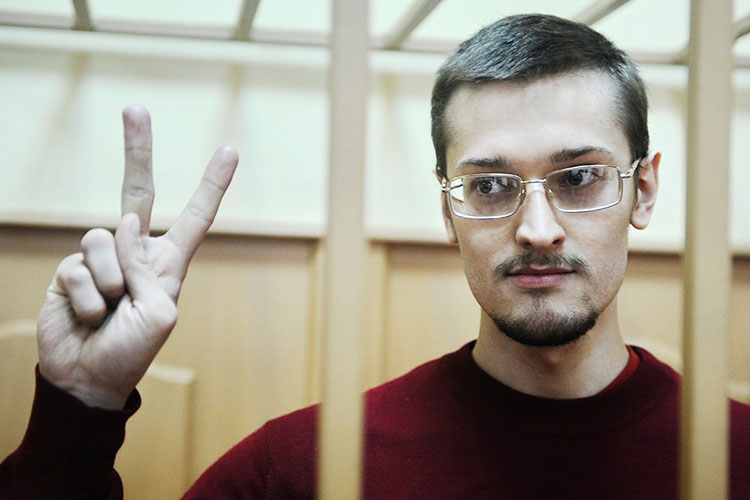
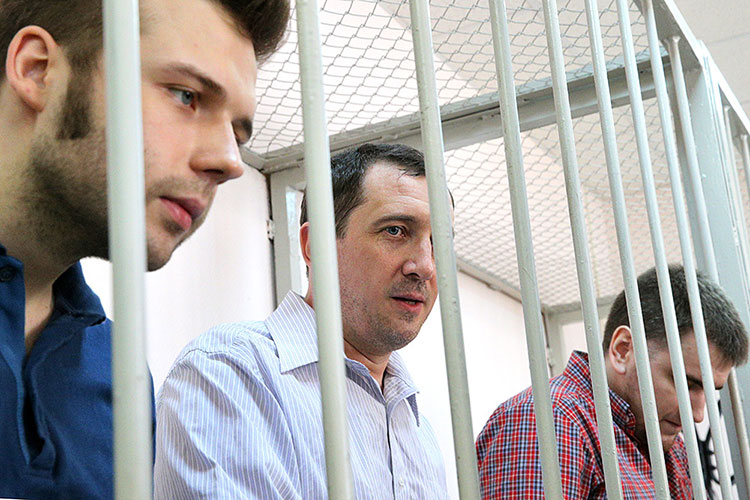
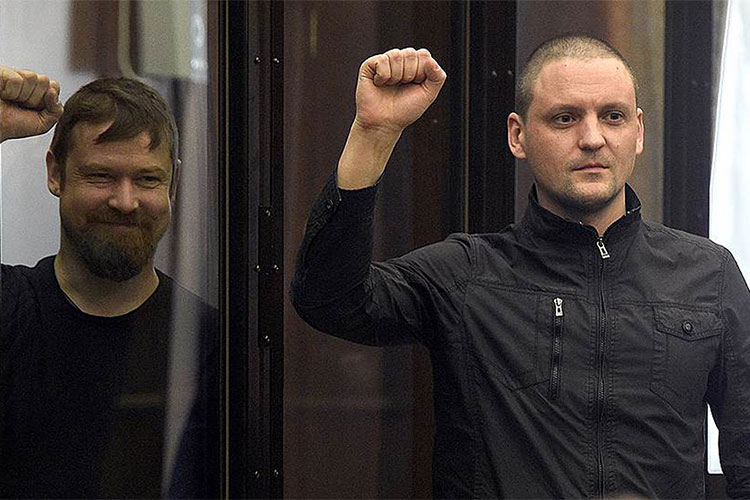
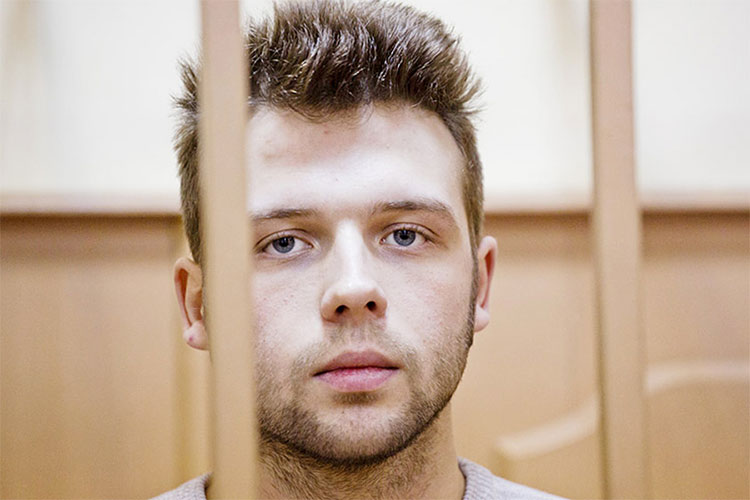
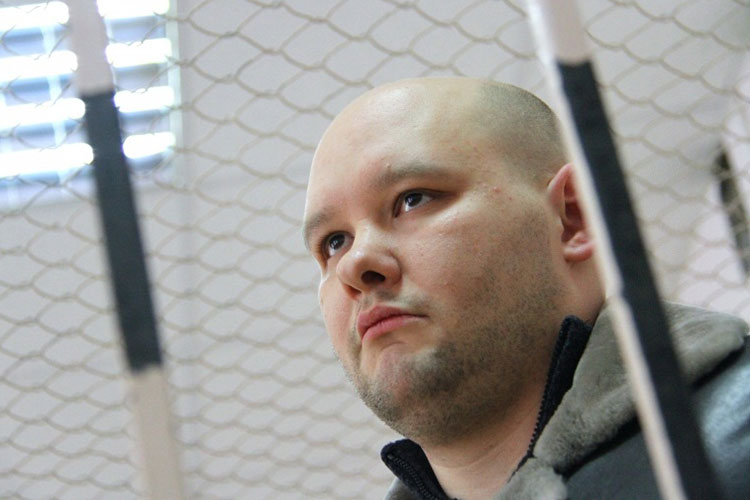
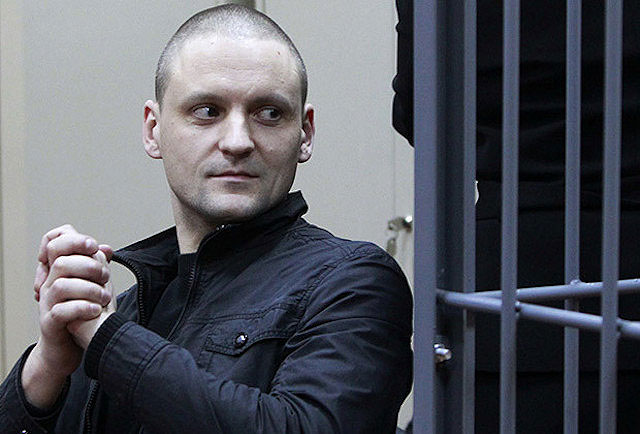
Russia’s Political Prisoners is the project dedicated to those prisoners in Russian jails, camps, and pretrial detention centers who were deprived of their freedom for political reasons.
Despite the fact that current Russian authorities deny that political prosecution occurs in the country, the majority of human rights activists, both in Russia and abroad, strongly disagree. According to the Memorial Anti-Discrimination Center in Moscow, as of August 7, 2014, 46 people in Russia were recognized as political prisoners. Supporting them and getting them released is a top priority for civic and human rights activists.
Mikhail Khodorkovsky, Russia’s best-known political prisoner, said in December 2013, two days after his release: “You should not see me as a symbol that there are no political prisoners left in Russia. I am asking you to see me as a symbol that the efforts of civil society may lead to the release even of those people whose release was not expected by anyone. We must continue to do all we can to make sure that there are no more political prisoners in Russia or, for that matter, in any other country. I will do everything in my power to work towards this goal.”
IMR believes that raising awareness about those individuals who have been prosecuted and found guilty for political reasons is a crucial element of the campaign for their release. Based on this belief, we have launched a series of articles portraying each of Russia’s political prisoners.
The recognition of a person as a political prisoner signifies neither agreement with the views of this person, nor the approval of his or her statements or actions on the part of the Institute of Modern Russia.
- Details
- Projects Archive
Sochi 2014 Olympic Games
- Details
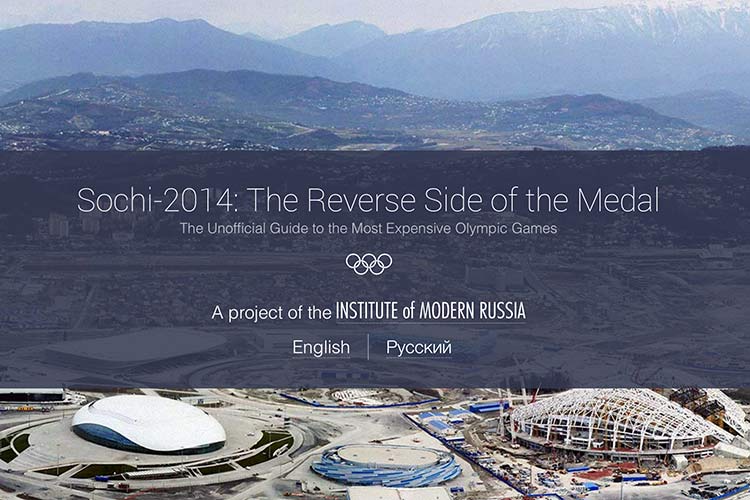
On January 30th, the Institute of Modern Russia presented a mobile website entitled “Sochi 2014: The Reverse Side of the Medal,” (sochi2014.imrussia.org) dedicated to the violations that plagued the preparations for the Winter Olympic Games in Russia.
From the moment that Sochi won the Olympic bid in 2007, concerns about the development of this area, spending procedures, and project implementation grew exponentially. It is a known fact that Vladimir Putin considers the Sochi Olympic Games to be the crown jewel of his achievements as a national leader and a strong international player. In a sense, the Sochi Games are Putin’s personal “vanity fair.”
It came as no surprise that billions of dollars were allocated from the state budget to implement this project. The official cost of the Games was formally announced as about $6.7 billion, but various independent sources have indicated that in reality, expenses amounted to $50 billion. And it is no surprise that most of the excessive costs were caused by the mind-bogglingly corrupt practices employed by Putin’s closest friends and loyalists.
Six months before the Games, the Institute of Modern Russia embarked on a research project to study the key issues of the Olympic preparations, such as excessive spending, deadline delays, corrupt practices, and human rights violations. A list of 26 sites associated with Olympic construction was compiled. According to IMR, these sites deserve special attention because of the scale of corruption and the acuteness of other violations related to them. In an effort to raise awareness on these abuses, IMR decided to present the collected data in an unconventional way—as an interactive online guide.
The results of the research are summarized and presented in the form of a mobile website entitled “Sochi 2014: The Reverse Side of the Medal,” which provides an opportunity to explore the reality of the most expensive Olympic Games in history. This site is available in both English and Russian.
- Details
- Projects Archive
The Faces of Russian Patriotism
- Details
The topic of patriotism has become increasingly popular in Russia, especially given the country’s sensitive political environment, in which the Russian authorities actively exploit and propagate patriotic themes in order to fulfill the goals of the regime. In this context, research on patriotism and its manifestations in modern Russian society is both relevant and timely.
To examine how the Russian public understands patriotism today, the Institute of Modern Russia launched a project entitled “Faces of Russian Patriotism,” which is dedicated to studying this phenomenon.
As part of this project, IMR developed a research paper entitled “What’s in a Name? Understanding Russian Patriotism.” A portion of the data used in this paper was collected in collaboration with the Levada Center, Russia’s leading polling organization. An omnibus (nationwide) survey on Russian patriotism was conducted in February 2014. Preliminary results were presented at a panel organized by IMR and entitled “The Meaning of Patriotism in Post-Soviet Russia” as part of the World Convention of the Association for the Study of Nationalities (ASN), held at Columbia University.
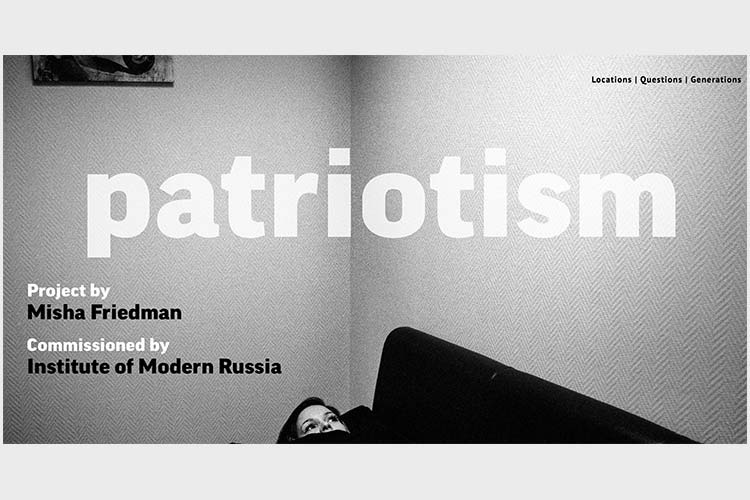
Another part of this project takes a more intimate and artistic look at Russian patriotism. In 2013, IMR commissioned New York photographer Misha Friedman to conduct a visual exploration and cultural study of the concept of patriotism in contemporary Russia. Through photographs of and interviews with people from all walks of life throughout Russia, ranging from pensioners and paratroopers to students and businessmen, Friedman seeks to explore the random collection of ideas that compose the Russian conception of patriotism today. Portraits, interviews, and audio clips are presented on an interactive website (patriotism.imrussia.org) that was launched during the summer of 2014.